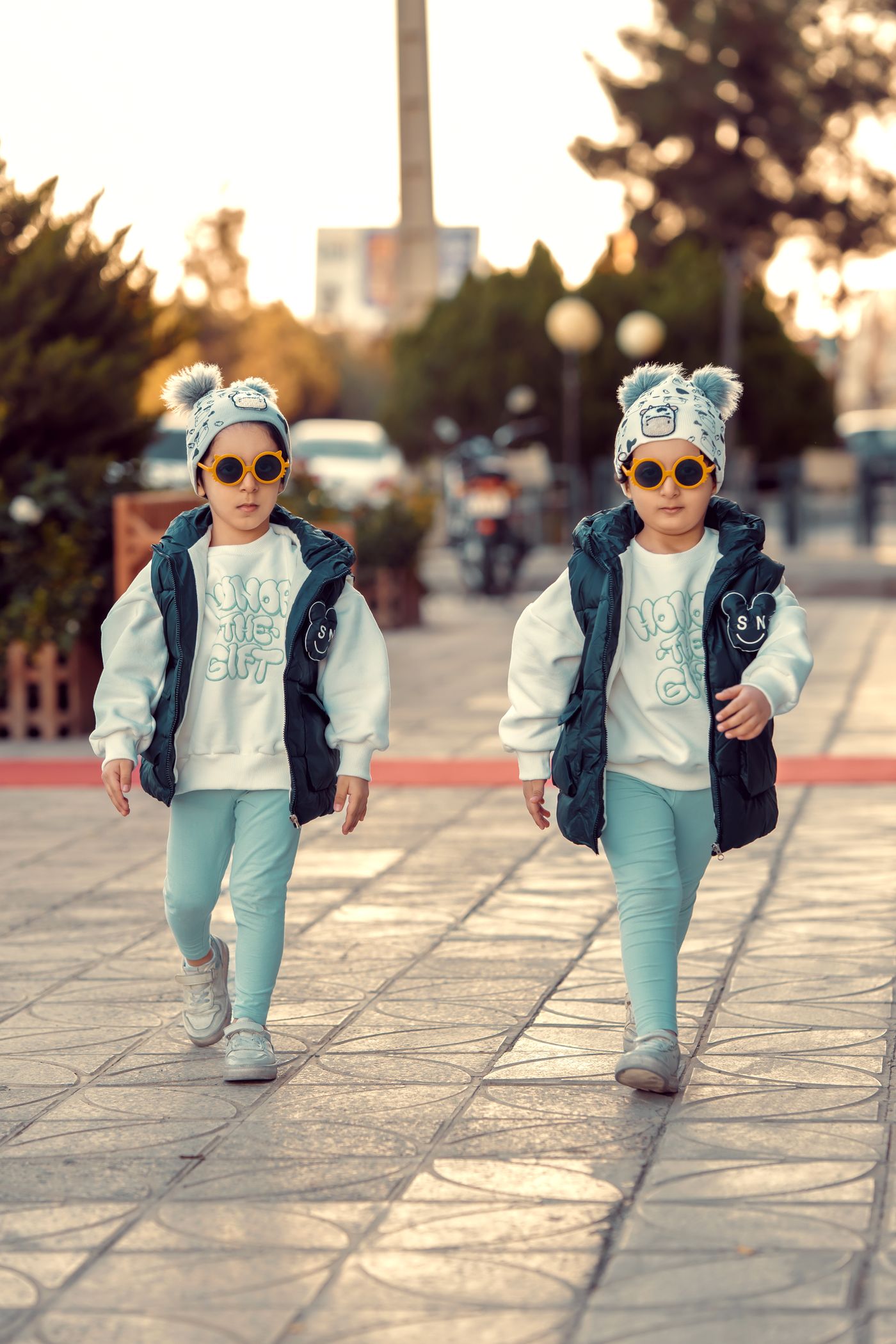
Build a fall outfit around a comfortable base, a removable warm layer and shoes suited to the day’s activities. These five combinations use pieces you can mix and repeat; adjust them to local weather, school rules and what your child will actually wear.
Kids’ clothes are rising faster than clothing overall, with girls’ up 3.6% and boys’ up 7.8% in a year. That’s why this guide puts your budget into the pieces kids wear most. Our forecast below shows the odds girls’ clothing prices are up 5% or more by November.
Will girls' clothing prices be 5%+ higher in November 2026 than in November 2025?
Prediction liftPrediction drop Expert insights from Robert Antoshak
Girls' apparel prices were below year-earlier levels through September 2025, then turned up and ran 5.3% to 6.1% above a year earlier from April through August 2026 as tariffs fed through. September cooled to 3.6%. The November test is whether the index reaches 104.563, 5% above the weak November 2025 base of 99.584. Applying the usual seasonal drop from September points to about 103, near +3.4%, so YES needs a rebound. The series is volatile, which keeps the chance meaningful but below even. The October CPI is due Nov 10 and the November CPI Dec 10.
Resolves 30 November 2026 · Yes if the BLS consumer price index for girls' apparel (CPI-U, US city average, not seasonally adjusted, series CUUR0000SEAD) for November 2026 is at least 5.0% higher than for November 2025, as first published by BLS.
Why the forecast moved 7 events, newest first, numbered as on the chart · forecast last updated 19 October 2026
| # | Date | Event and reasoning | Change | Source |
|---|---|---|---|---|
| 7 | 14 Oct 2026 | September CPI: girls' apparel slows to +3.6% y/yFell to 3.6% y/y, 1.4 points under the line, with a lower seasonal base for Nov. | -7.0 pts41.0% → 34.0% | Source |
| 6 | 11 Sep 2026 | August CPI: girls' apparel +6.1% y/y, the 2026 peakPeak of 6.1% shows the series can clear 5% by a wide margin. | +4.0 pts38.0% → 42.0% | Source |
| 5 | 12 May 2026 | April CPI: clothes post biggest price jump in three yearsFirst 5%+ print (5.3%) and the biggest clothing jump in three years. | +6.0 pts23.0% → 29.0% | Source |
| 4 | 10 Apr 2026 | March 2026 CPI: girls' apparel +4.3% y/y (NSA index 110.206)Up 4.3% y/y, closing in on the line; the news item of April 17 repeated this fact. | +4.0 pts19.0% → 23.0% | Source |
| 3 | 20 Feb 2026 | Supreme Court strikes down IEEPA tariffs; retailers cheerStruck-down IEEPA tariffs removed a cost layer, though a replacement followed. | -4.0 pts24.0% → 20.0% | Source |
| 2 | 18 Dec 2025 | November 2025 CPI released with October data missingNov 2025 base is only 99.584 (-0.9% y/y), a soft comparison; October data were never collected. | +4.0 pts18.0% → 22.0% | Source |
| 1 | 3 Apr 2025 | Reciprocal tariffs announced; analysts warn of a clothing price surgeBroad tariffs on Asian apparel hubs raise the odds of a sustained price lift. | +6.0 pts15.0% → 21.0% | Source |
Expert commentary 4 quotes attached to the tracked events · each checked against its source
| Who | What they said | # | Source | |
|---|---|---|---|---|
| Robert Antoshak LinkedIn ↗Managing Partner, Gherzi AmericasIndependent | “Today’s Consumer Price Index report should put to rest the idea that apparel inflation hasn’t been affected by tariffs and supply chain disruptions.” | 11 Mar 2026 | |
| Robert Antoshak LinkedIn ↗Managing Partner, Gherzi AmericasIndependent | “That means apparel inflation is now running 60 basis points above topline inflation, which is worth paying attention to because apparel is one of the categories where consumers have the most flexibility.” | 10 Jun 2026 | |
| Robert Antoshak LinkedIn ↗Managing Partner, Gherzi AmericasIndependent | “Apparel inflation is still outrunning headline CPI on a twelve-month basis, which means retailers shouldn't assume consumers feel broad relief.” | 15 Jul 2026 | |
| Stephen Lamar LinkedIn ↗President and CEO, American Apparel & Footwear AssociationIndependent | “With apparel and footwear prices continuing to increase over already elevated inflation rates, affordability will be on the mind of everybody who wears clothes and shoes in the United States.” | 7 | wwd.com |
Built using the most accurate forecasting models on Earth, by Authority.inc. Small event effects are shown doubled so the trend is visible. Methodology audited by Oxford AI. Last updated 19 October 2026.
Kids Fall Outfits Parents Keep Recreating
Start with clothes already in the drawer. Try the outfit on as a complete set so you can check movement, sleeves, fasteners and shoes before a rushed school morning. These are outfit suggestions, not a claim about what most families are buying.
1 A long-sleeve tee with joggers and a zip layer
Use a familiar cotton or cotton-blend tee, flexible joggers and a zip cardigan or fleece. The outer layer can come off in a warm classroom. Choose a waist and cuffs that stay in place when the child crouches, climbs or sits; a larger label size is not useful if the trousers slide down.
2 A sweatshirt with jeans or soft trousers
Pair a plain sweatshirt with jeans your child has already found comfortable, or substitute soft trousers. Add socks and everyday sneakers. If a school day includes PE or outdoor play, choose the bottom half for that activity first and build the outfit around it.
3 A dress or tunic with leggings and a cardigan
Layer a dress or tunic over leggings and add a cardigan when needed. Check that the hem and layers allow easy sitting and climbing, and that the child can manage the outfit during bathroom breaks. This combination also lets a summer dress stay in rotation on a mild fall day.
4 A tee with a lightweight overshirt
Use a tee under an unlined overshirt with trousers, then add an appropriate jacket if the weather calls for it. The overshirt gives an extra layer without committing to a heavy sweater. Check the inside seams and fastening comfort rather than choosing only by the fabric’s name.
5 A rainy-day outfit with an outer shell
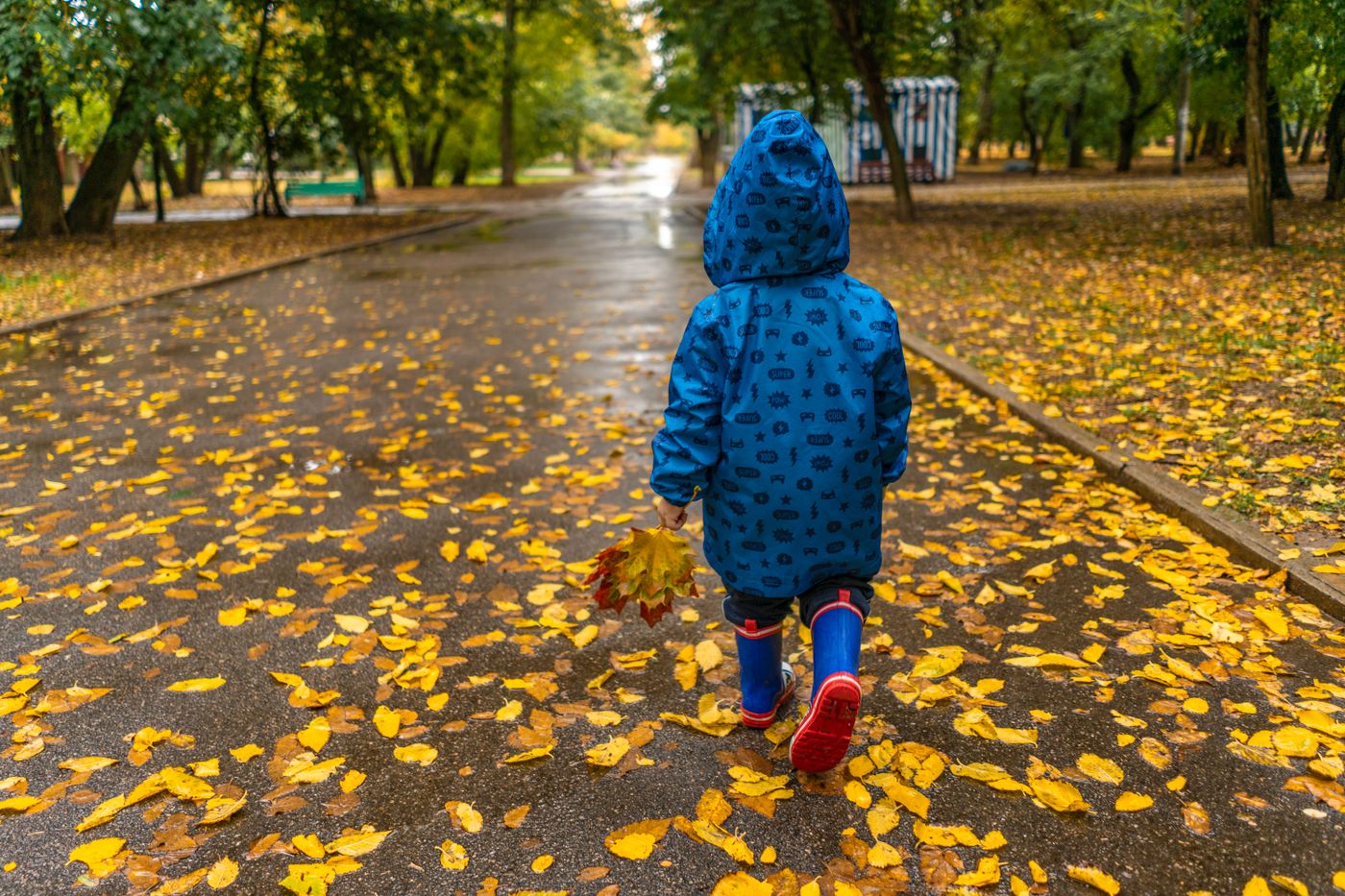
Keep the base simple: top, trousers, socks and a rain layer suited to the forecast. Choose footwear for the walk and school requirements; pack a change of socks or indoor shoes when useful. A decorative “fall” outfit is less useful if its jacket cannot handle the expected rain.
Why These Kids Fall Outfits Are Everywhere
You may see these combinations repeated in fall outfit guides because their pieces are easy to mix. “Everywhere” is a styling description here, not a measured claim about sales or how many parents choose them.
A few repeatable combinations make it easier to dress for a cool morning and a warmer afternoon. A tee, cardigan and separate rain layer can be adjusted more readily than one very warm outfit. Decide what kids should wear in autumn from the day’s conditions and activities, rather than the month alone.
When fall weather becomes genuinely cold, the American Academy of Pediatrics recommends several thin layers. Adjust for the child, weather and activity; everyday outfit ideas do not replace suitable cold-weather clothing.
Give your child a choice between two workable outfits. Preferences about fabric feel, necklines and fastenings matter because clothes left unworn do not help the wardrobe. No single fabric or outfit is the best option for every child.
Easy Fall Outfit Ideas For Different Ages
| Stage | Useful outfit adjustment | Check before buying |
|---|---|---|
| Toddlers | Simple separates and easy-access fastenings | Can the child move freely and can caregivers change them easily? |
| Preschool and early elementary | Layers the child can take off and put on | Can they manage the zip, buttons and bathroom routine? |
| Older children | A shared color palette with room for personal choices | Does the outfit suit school rules, activities and the child’s preferences? |
Use the brand’s measurements as a starting point, then check actual fit. Height, waist and inseam can be more useful than an age label. Leave appropriate room for movement, but do not buy so large that sleeves cover the hands or hems drag. Check the return window before removing tags.
How To Build A Fall Wardrobe Without Buying Everything
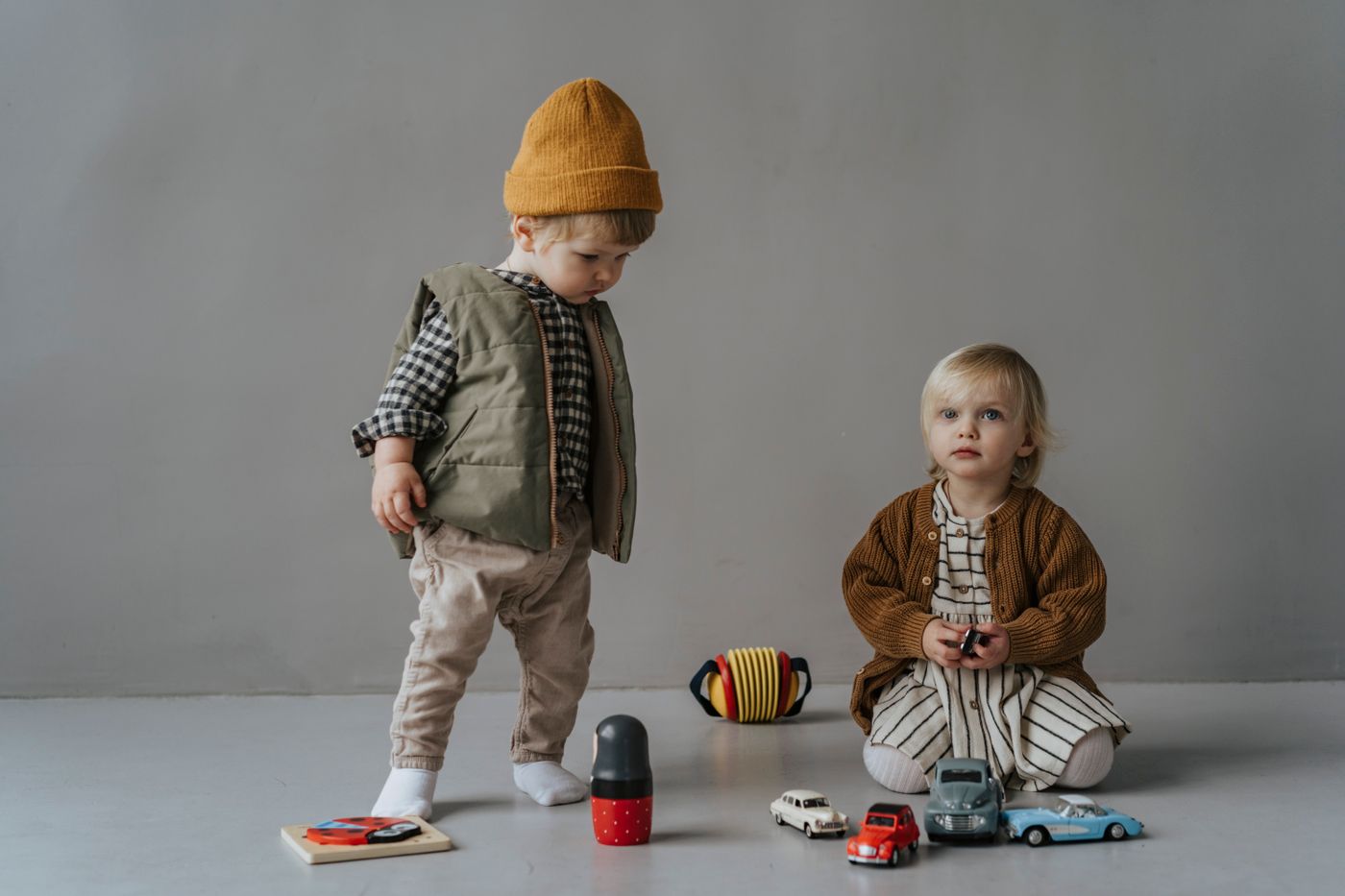
Sort existing clothes into fits now, needs repair and no longer fits. Make several complete outfits from the first pile before shopping. Write down the missing item that prevents each outfit working: it might be one cardigan or a pair of practical shoes rather than more tops.
- Plan around your laundry interval. A weekly wash routine needs a different number of everyday changes from washing every few days.
- Choose two or three base colors and one or two accent colors that work with what you already own.
- Set a total budget and reserve money for the actual gaps, including weather gear. Compare current prices for the correct size and include delivery and return costs.
- Check hand-me-downs and secondhand items for fit, damage, missing fastenings and recalls before use.
There is no need to buy a fixed “capsule” item count. Build enough usable outfits for your routine and leave space for changing sizes. A bargain that needs special washing or has no matching pieces may cost more in time and extra purchases than it saves.
Choosing Fall Colors That Mix Well
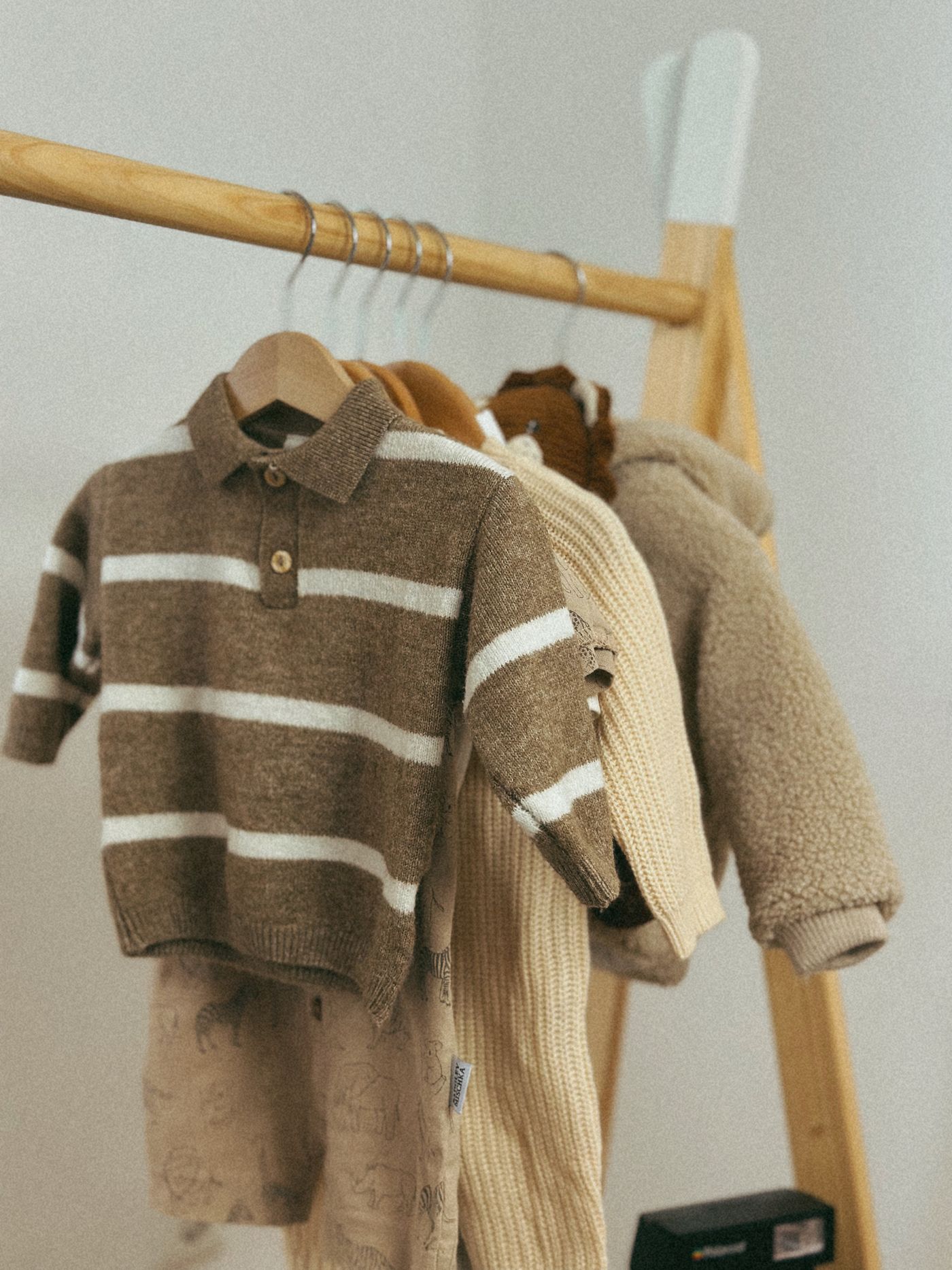
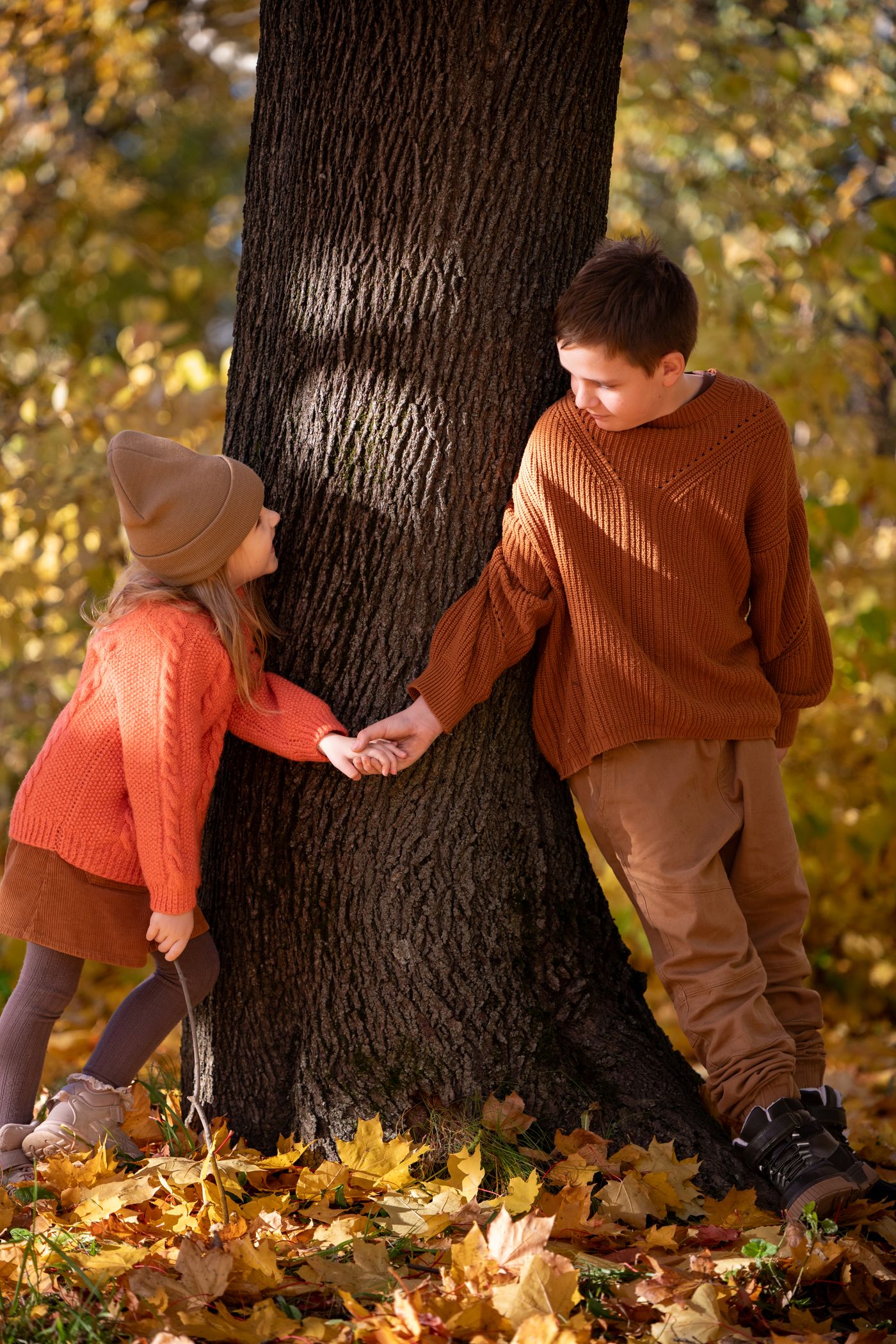
Navy, gray, denim and cream can serve as bases; rust, olive, mustard or burgundy can be accents if your child likes them. These are styling options, not rules or a verified ranking of 2026 trends. Repeat one color across several pieces to make combinations easier.
For a child who prefers bright colors or character prints, keep those pieces. Pair a busy top with a simpler bottom, or choose one repeated color from the print. Fall clothing does not have to follow a muted palette.
Making Fall Outfits Practical For Real Life
Read care labels before buying. Choose a mix you can wash and dry with your normal routine, and avoid promising that a fiber is always softer, warmer or easier to care for: the actual fabric and garment construction matter. Check cuffs, seams, scratchy labels and how each layer feels together.
The FTC’s care-label guidance explains that garment instructions cover appropriate washing or dry cleaning and any necessary warnings. Check the label before treating a stain or combining new clothes in a wash.
For jackets and sweatshirts, check drawstrings carefully. CPSC identifies hood and neck drawstrings in children’s upper outerwear sizes 2T–12, or equivalent sizes, as a substantial product hazard. For waist and bottom drawstrings in sizes 2T–16, the guidance limits exposed length to 3 inches when the garment is fully expanded, prohibits end knots, toggles and other attachments, and requires continuous strings to be secured against being pulled through. Choose outerwear without hood or neck drawstrings and check the CPSC guidance for the details. The federal rule is 16 CFR 1120.3(b)(1), which incorporates ASTM F1816-97; see the CPSC explanation of the rule.
Check CPSC recalls for secondhand purchases as well as new items. A familiar brand or an item passed down by a friend does not establish that the particular model is free of recalls.
The Shoes Can Make Or Break The Outfit
Pick shoes for walking, classroom use and the planned activity before matching the color. Have the child try them with the socks they will wear and walk around. Check for slipping, pressure and fastenings they can manage; do not buy a dramatically oversized pair just to make it last longer. For toddlers, the American Academy of Pediatrics advises checking shoe fit about monthly, because feet grow quickly.
Rain footwear and everyday school shoes may serve different jobs. If a child changes shoes at school, make sure the second pair fits and the child can carry and identify it. Follow the school’s footwear requirements instead of assuming any fashionable boot or slip-on is suitable.
How To Make Trendy Outfits Last Beyond Fall
Repeat the combinations with fewer or different layers as conditions change. A cardigan can work over several tops; leggings can extend a dress’s use; a plain sweatshirt can stay useful after a seasonal print loses its appeal. Before buying a statement piece, name two outfits it will complete.
Follow the care label, repair a loose fastening promptly and reassess fit during the season. Store only clothes worth keeping for the next child or season. Buying one size up is not a reliable substitute for checking how the garment fits now.
The Best Fall Outfits Are The Ones Kids Can Live In
Choose one of the five combinations, check it against tomorrow’s weather and let your child try the layers together. Keep the clothes that work, replace the genuine gaps and repeat the outfits without treating repetition as a problem.
Frequently Asked Questions
What is a practical fall outfit for school?
Start with a comfortable top and trousers or leggings, add a removable layer and choose shoes suitable for school activities. Check the weather and dress code before adding outerwear.
How many fall outfits does a child need?
Count the clean changes needed between laundry days, plus useful spares for spills or activities. There is no fixed wardrobe size that works for every family.
Can summer clothes still work in fall?
Yes, when fit and weather allow. A tee under a cardigan or a dress over leggings can stay useful; add suitable outerwear for the conditions.
Which colors are easiest to mix?
Start with colors already in the wardrobe, then choose a few compatible bases and accents. Navy, denim and gray are options, but a child’s preferred bright colors can work just as well.
Are drawstrings suitable on children’s fall jackets?
Avoid hood and neck drawstrings on children’s upper outerwear. Check the CPSC age-size ranges and waist/bottom requirements explained in the practicality section, including for secondhand clothing.